
Unifying the Corporate Stack: Maximizing Efficiency Through Custom System Integration
Custom API integration that tears down data silos and turns your software stack into one engine.
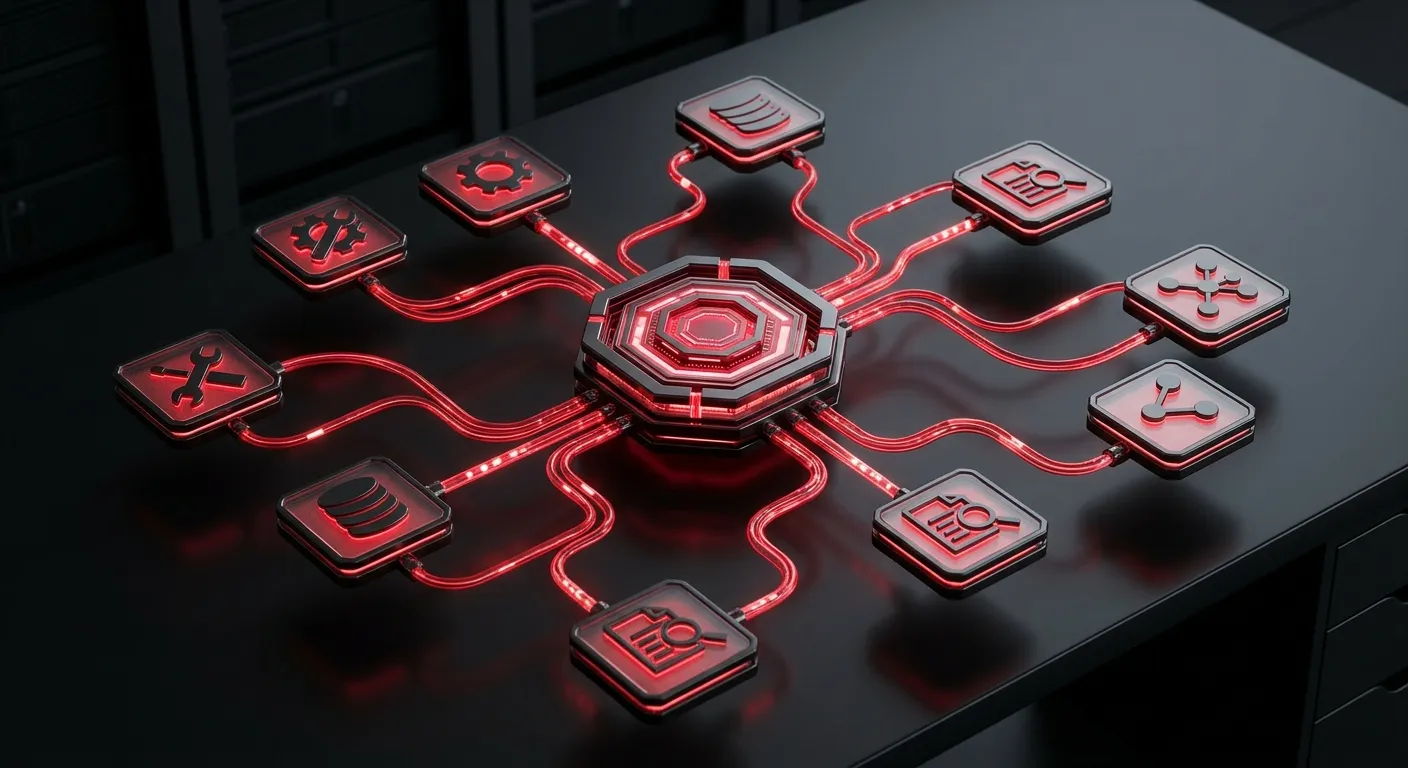
Modern enterprise operations rely on an expansive array of software applications. On any given day, a business uses separate platforms to manage financial accounting, customer relationships, human resources, warehouse logistics, and digital sales. While each individual software package serves a vital purpose, operating them as separate, disconnected platforms creates massive data silos and costly operational delays. True corporate efficiency requires deep, custom-coded system integration.
As a dedicated enterprise software house, Daronet specializes in custom development, back-end architecture, and custom API systems. We help companies tear down software barriers by designing custom integration networks that connect your legacy systems, online storefronts, and internal databases into a single, high-performance corporate engine.
The Hidden Drain of Disconnected Software Silos
When an enterprise forces its staff to operate within isolated software applications, it introduces several major operational liabilities:
- Manual Data Entry Errors: Forcing employees to copy invoice details or customer files from one software package to another manually leads to costly typographical mistakes.
- Delayed Executive Visibility: When business leaders must wait for days for separate departments to manually generate and combine spreadsheets, making rapid, data-backed decisions are impossible.
- Fragmented Customer Service: If your support desk cannot view a client’s real-time purchase history or shipping status due to software blockages, customer satisfaction drops.
The Pillars of Enterprise-Grade Custom API Design
Unifying an enterprise technology stack requires moving away from fragile, pre-made plugins to engineer secure, custom Application Programming Interfaces (APIs).
1. Real-Time Data Synchronization
Custom API connections act as secure digital bridges between your platforms. When a financial transaction occurs on your e-commerce storefront, the data is instantly shared with your accounting software and inventory database simultaneously.
This real-time synchronization ensures every department across your company operates with identical, up-to-the-minute business data.
2. Enterprise-Grade Data Security and Encryption
Sharing sensitive corporate data across separate software networks introduces potential access points for cyber criminals. Custom-engineered integration channels utilize advanced point-to-point data encryption and secure token authentication protocols.
This protective framework ensures your business data remains entirely shielded from external interception during transmission.
3. Fail-Safe Data Queue Management
During peak operational hours or sudden network drops, software applications can temporarily lose connection. Cheap, pre-made plugins often drop data during these outages, creating permanent record errors.
Bespoke integration architecture builds automated data queues that store transactions safely during a network drop and automatically retransmit them once connections are restored.
Implementing an Integrated Infrastructure Strategy
If your organization is ready to automate its workflows and unify its software stack, follow this structured integration roadmap:
Complete a Comprehensive Technology Audit
Document every single software application, license, and private database currently used across your company to discover duplicate functions and critical connection gaps.
Define Clear Data Paths
Outline exactly how data should flow between systems — for example, whether customer records should move one-way from marketing to sales or sync two-way across both departments.
Test with Automated Validation Scripts
Run extensive simulation testing across your custom API networks to verify that high data loads and unusual transaction types are processed accurately before launching live operations.
Achieve Total Operational Harmony
Enterprise scale requires structural agility. By breaking down data silos and engineering a custom-coded, secure integration framework across your entire technology stack, you remove administrative bottlenecks, eliminate manual data errors, and build a high-performance business infrastructure built to last.
Ready to modernise your enterprise stack?